Jul 10, 2026News & Insights
How Long Does a Bronze Sculpture Last?
How Long Does a Bronze Sculpture Last? A well-made bronze sculpture can last hundreds to thousands of years. Some famous examples, such as The Thinker by Auguste Rodin, demonstrate how bronze artwork
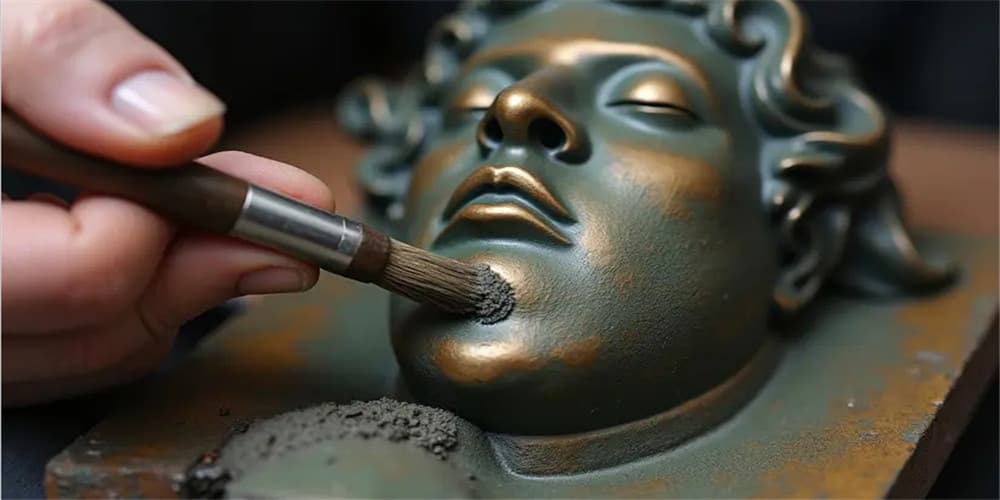
A well-made bronze sculpture can last hundreds to thousands of years.
Some famous examples, such as The Thinker by Auguste Rodin, demonstrate how bronze artworks can endure over a century while maintaining their artistic integrity.
👉 Average lifespan:
Indoor bronze sculptures: 1000+ years (with minimal care)
Outdoor bronze sculptures: 100–500+ years (depending on environment)
This makes bronze one of the most durable materials in sculpture history.
Why Is Bronze So Durable?
Bronze is an alloy consisting primarily of copper, usually with about 10% to 12% tin. This specific chemical composition creates a material that is significantly harder and more corrosion-resistant than pure copper.
The Protective Shield: The Patina
Unlike iron, which oxidizes into destructive rust, bronze undergoes a process called controlled oxidation. When exposed to the elements, bronze develops a thin surface layer known as a patina.
The Benefit: This layer acts as a seal, protecting the underlying metal from further deep-seated corrosion.
The Aesthetic: Over time, this can turn the bronze a beautiful "statue green" (cupric carbonate) or a deep chocolate brown.
- Corrosion Resistance
Bronze naturally forms a protective layer called a patina, which prevents further deterioration.
- Strength and Stability
Unlike resin or wood, bronze does not crack, warp, or easily break.
- Weather Resistance
Bronze sculptures can withstand:
Rain
Sun exposure
Temperature changes
👉 This is why bronze is widely used for outdoor statues and monuments.
Critical Factors That Affect Bronze Durability:
- Alloy Purity
Not all "bronze" is created equal. High-quality art-grade bronze (often Silicon Bronze) is designed specifically for longevity. Lower-quality alloys with high zinc content (technically brass) may suffer from "dezincification," which can make the metal brittle over centuries.
- Environmental Pollutants
In modern urban settings, the greatest threat to a bronze sculpture's lifespan is sulfur dioxide and nitrogen oxides (acid rain). These chemicals can break down the protective patina and cause "pitting"—tiny holes that compromise the surface.
3. "Bronze Disease" (Chlorine Attack)
This is the "cancer" of bronze. When chlorides (from salt spray or certain cleaning chemicals) penetrate the surface, they react with moisture to form hydrochloric acid. This creates a bright green, powdery bloom that can eat through a sculpture if not treated by a professional conservator.
Indoor vs Outdoor Bronze Sculpture Durability:
Indoor Bronze Sculptures
Minimal exposure to harsh elements
Very slow aging process
Can last for centuries with little maintenance
Outdoor Bronze Sculptures
Exposed to weather and pollution
Develop patina faster
Require occasional maintenance
👉 Still, even outdoors, bronze sculptures can last several hundred years.
If you want your bronze to remain in "gallery condition" for generations, follow these three rules:
The "Two-Foot" Rule: If you can see dust or bird droppings from two feet away, it's time to clean. Use only distilled water and a mild, non-ionic detergent.
Waxing (The Sacred Shield): For outdoor sculptures, apply a high-quality microcrystalline wax (like Renaissance Wax) at least once a year. This creates a physical barrier against moisture and UV rays.
Avoid Harsh Chemicals: Never use abrasive cleaners, ammonia, or bleach. These will strip the patina and expose the raw metal to rapid oxidation.
To maximize bronze sculpture durability, follow these simple tips:
✔ Regular Cleaning
Use a soft cloth and mild soap to remove dust and dirt.
✔ Apply Protective Wax
Waxing helps protect the surface from moisture and oxidation.
✔ Avoid Harsh Chemicals
Do not use abrasive cleaners that can damage the patina.
✔ Professional Restoration
For valuable pieces, occasional professional care is recommended.