
Jul 10, 2026News & Insights
How to Clean and Maintain Indoor and Outdoor Hand-forged copper sculpture (Complete Guide)
How to Clean and Maintain Indoor and Outdoor Hand-forged copper sculpture (Complete Guide) As classic artistic adornments—whether serving as indoor display pieces or outdoor landscape sculptures—copp
How to Clean and Maintain Indoor and Outdoor Hand-forged copper sculpture (Complete Guide)
As classic artistic adornments—whether serving as indoor display pieces or outdoor landscape sculptures—copper sculptures require regular cleaning and maintenance to preserve their aesthetic appeal and intrinsic value. Proper cleaning methods not only extend their lifespan but also effectively prevent oxidation and corrosion.
I. Understand Your Bronze Sculpture's Finish:
- Before you begin cleaning, you must first identify the surface treatment applied to the indoor bronze sculpture:
- Lacquered/Coated: The surface features a transparent protective sealant; it feels smooth to the touch and retains a high-gloss shine over time.
- Raw Copper (Uncoated): The surface lacks any protective coating; it will naturally darken and turn black in response to atmospheric humidity, eventually developing a green patina.
Pre-patinated (Artificially Aged): Colors and effects created in advance by the artist using chemical processes. Note: Improper cleaning methods can strip away these valuable artistic finishes.
II. Essential Maintenance Kit:
Important: The use of strong chemical cleaning agents is strictly prohibited.
- Microfiber Cloth: Soft and lint-free; prevents scratching of the copper surface.
- Soft-bristle Brush: (e.g., a soft-bristle toothbrush or wool brush) Used to remove dust accumulated within the forged textures.
- Distilled Water: Prevents minerals found in ordinary tap water from leaving water spots on the copper surface.
- Neutral Detergent: Such as dishwashing liquid; a neutral pH level is the safest option.
- Professional Maintenance Wax: Such as Renaissance Wax (used by the British Museum) or high-purity Carnauba wax.
III. Cleaning Procedures for Indoor Bronze Sculptures:
The primary threats to indoor artworks are: dust, fingerprints (skin oils), and smoke.
- Routine Dusting: Once a week, gently wipe the piece using a dry microfiber cloth. If allowed to accumulate over time, dust will absorb moisture, leading to the formation of uneven spots on the surface.
- Gentle Cleaning: If surface stains are present, wipe the piece using a cloth dampened with a small amount of distilled water mixed with a neutral detergent.
- Thorough Drying (Crucial): Immediately after cleaning, the piece must be wiped dry with a clean, dry cloth. Never allow the piece to air-dry naturally, as this will leave behind water spots that are difficult to remove.
- Oil Prevention: It is recommended to wear cotton gloves when handling the artwork. The acidic oils produced by human skin can leave permanent "dark fingerprints" on untreated bronze surfaces.
IV. Maintenance Steps for Outdoor Bronze Sculptures:
Outdoor artworks are exposed to: ultraviolet radiation, acid rain, bird droppings, and atmospheric pollutants.
- Low-Pressure Rinsing: Use a standard garden hose to rinse away loose dirt and debris. The use of high-pressure washers is strictly prohibited, as this may damage hand-forged details or cause the surface finish to peel.
- Deep Scrubbing: Hand-forged sculptures often feature numerous crevices and recesses. Using a soft-bristled brush dipped in soapy water, pay special attention to cleaning areas where water tends to accumulate to prevent the onset of corrosive "bronze disease."
- Handling Bird Droppings: Bird droppings are highly acidic and can corrode bronze. If discovered, they should be removed immediately using a damp cloth. Never attempt to scrape them off while dry, as this may scratch the metal surface.
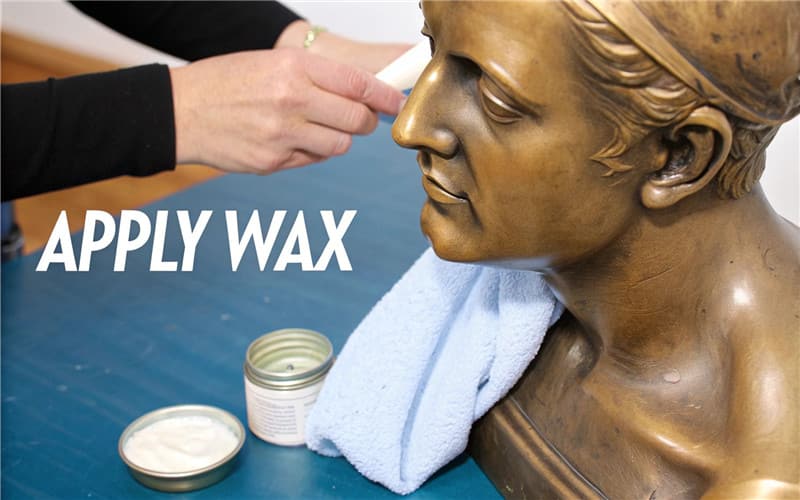
- Regular Waxing (Protective Barrier): It is recommended to apply a coat of wax twice a year—once in the spring and once in the autumn.
(1) Apply the wax evenly across the entire surface.
(2) Allow it to sit for 15–20 minutes to ensure it dries thoroughly.
(3) Using a clean cloth, polish the surface repeatedly until its original luster is restored.
V. Strictly Prohibited Actions (Warning List):
- Do not use steel wool or abrasive scouring pads: Copper is a relatively soft metal; these hard objects will leave irreparable scratches.
- Do not use cleaners containing ammonia or bleach: These chemicals can trigger "Bronze Disease" (a powdery green corrosion) which, much like cancer, rapidly eats away at the metal.
- Do not use abrasive polishing pastes: Unless you intend to completely strip away the artist's original patination, do not casually use powerful, commercially available rust removers.
A properly maintained, hand-forged copper sculpture will appreciate in value as time passes. Whether preserving its brilliant metallic luster or allowing the years to bestow upon it a rich, deep patina, simple, regular maintenance ensures that this artistic beauty is passed down from generation to generation.