Jun 26, 2026News & Insights
The Origins, Development, and Evolutionary History of Copper Sculpture Art
I. Origins and Early Stages (Late Prehistoric Era – Early Bronze Age) Early Materials and Applications: Copper and copper alloys were initially used for small objects, decorative elements, and religi

I. Origins and Early Stages (Late Prehistoric Era – Early Bronze Age)
Early Materials and Applications:
- Copper and copper alloys were initially used for small objects, decorative elements, and religious ritual items; the "sculptures" themselves typically took the form of cast bronze alloys or reliefs hammered from copper sheets.
Key Regions and Technical Highlights:
1. Between the 3rd and 2nd millennia BCE, regions such as Mesopotamia, Egypt, and the Indus Valley gradually established the foundational techniques for copper casting, inlay work, and hammering.
- Due to the accumulation of local resources and metallurgical knowledge, the basic techniques of casting (including the rudimentary form of lost-wax casting) and forging were gradually mastered.
II. The Maturity and Classicization of the Bronze Age (2nd Millennium BCE – 1st Millennium BCE)
The Popularization of Bronze and Stylistic Diversity:
1. Copper castings played pivotal roles in religious, military, and ceremonial spheres; the inherent hardness and ductility of bronze established it as one of the primary materials for sculpture.
- Across various regions, diverse forms—including realistic "bronze statues," iconography dedicated to deities, and funerary objects—coexisted and flourished.
Technical Evolution:
1. Lost-wax casting and general foundry techniques gradually matured, making the creation of complex, hollow castings technically feasible.
2.Surface Treatments: Early techniques such as gilding, surface coating, and induced patina oxidation were employed to enhance both visual aesthetics and durability.
Representative Regions and Styles:
1. In Ancient Egypt, Crete, and early Greece, copper sculptures were predominantly utilized for religious purposes, as symbols of power, and as decorative elements for everyday objects.
- During China's Shang and Zhou Dynasties, bronze sculptures (such as ritual vessels and inscribed decorative motifs) evolved into a highly institutionalized system of aesthetics and craftsmanship.
III. The Classical Era (1st Millennium BCE – 1st Millennium CE: Sustained, Trans-regional Development)
China and East Asia:
1. Centered around bronze vessels, a comprehensive system of ritual practices and decorative motifs emerged, fostering the gradual development of highly sophisticated casting and carving techniques.
- Numerous three-dimensional sculptures—such as the Terracotta Army (which incorporated bronze elements)—were created using bronze as a primary material, serving as powerful expressions of military might and cultural self-confidence. Greek and Roman Naturalism and Technical Innovation
- Greek and Roman bronze sculptures achieved a high level of sophistication in anatomical accuracy, dynamic expression, and the rendering of surface textures. They extensively employed the lost-wax casting technique, often complemented by processes such as surface riveting and decorative inlay work.
- By utilizing a combination of techniques—including free casting, sectional casting, and post-casting assembly (via forging and welding)—artists were able to create works that exhibited richer volumetric depth and more complex postures.
Religious and Aristocratic Sculpture in Europe and the Middle East
Bronze sculptures depicting various religious objects, sacred relics, and portraits of royalty and nobility emerged as powerful fusions of artistic expression and symbols of power.
IV. The Middle Ages to the Early Modern Period (c. 5th–18th Centuries)
Religious Art and Craftsmanship:
During the European Middle Ages and the pre-Renaissance era, bronze sculpture centered around churches and monasteries; bronze vessels, statues, and reliefs played pivotal roles in conveying religious narratives.
Technical Continuity and Innovation
- Techniques such as casting, forging, and chasing (sculpting surface details) continued to evolve, while surface treatments underwent constant refinement to meet demands regarding both durability and aesthetic appeal. New Artistic Schools in Asia
- In regions such as China and India, bronze sculpture continued to produce works of exceptional quality within the realms of religious iconography and decorative arts, gradually incorporating more complex casting molds and surface ornamentation techniques.
V. From the Early Modern to the Modern Era (18th Century to Present)
The Impact of Industrialization on Bronze Sculpture:
The introduction of large-scale and mechanized casting technologies opened up new possibilities for bronze sculpture in terms of quantity, scale, and consistency.
The rise of the art market and private collecting spurred artists to explore new approaches to material selection, patination, and surface finishing.
Bronze in Modern and Contemporary Sculpture:
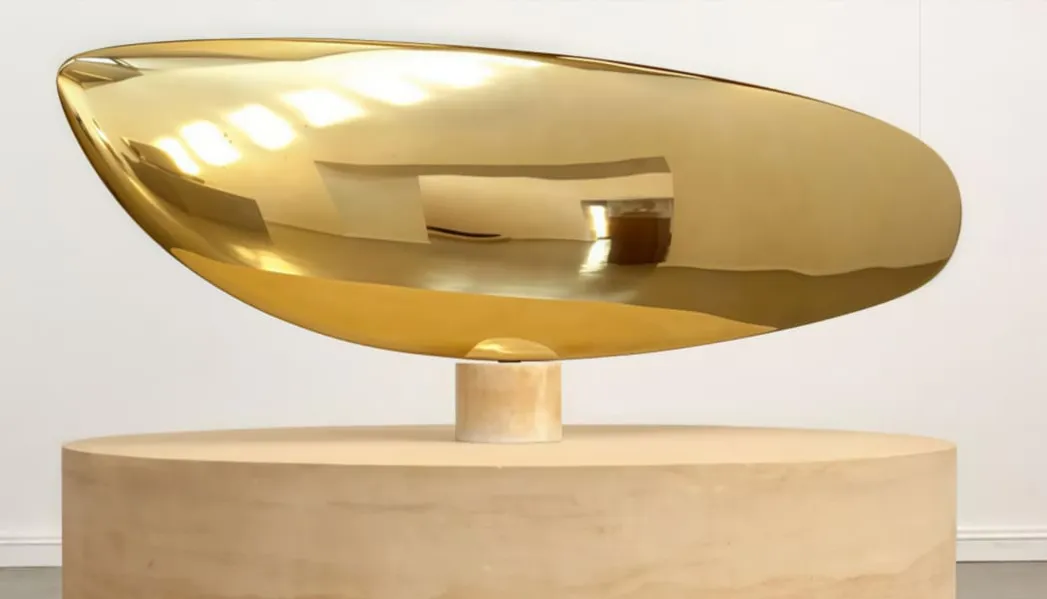
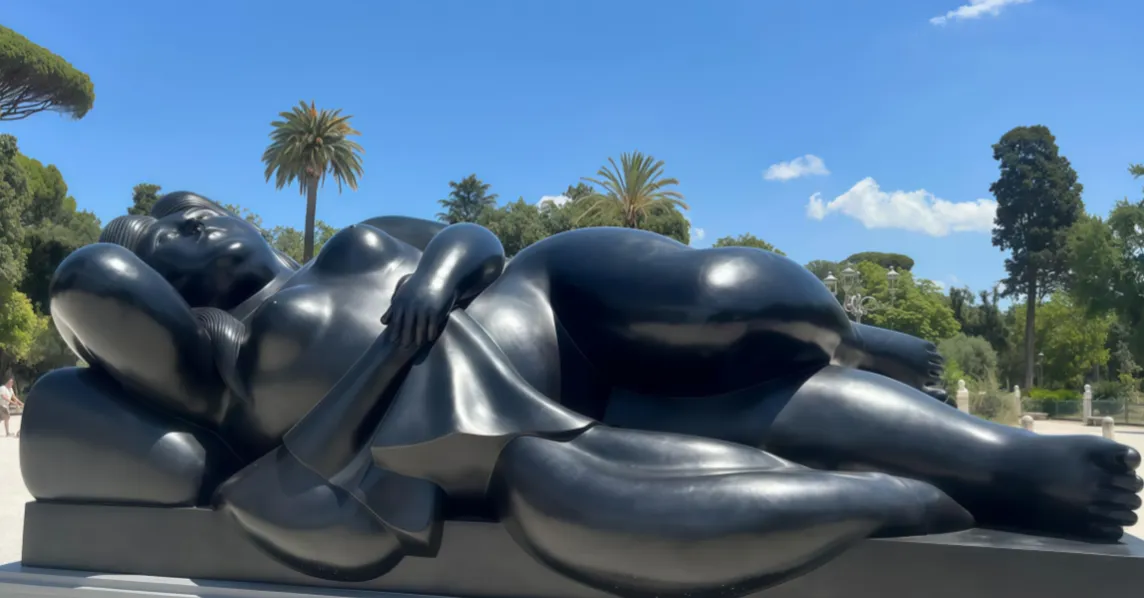
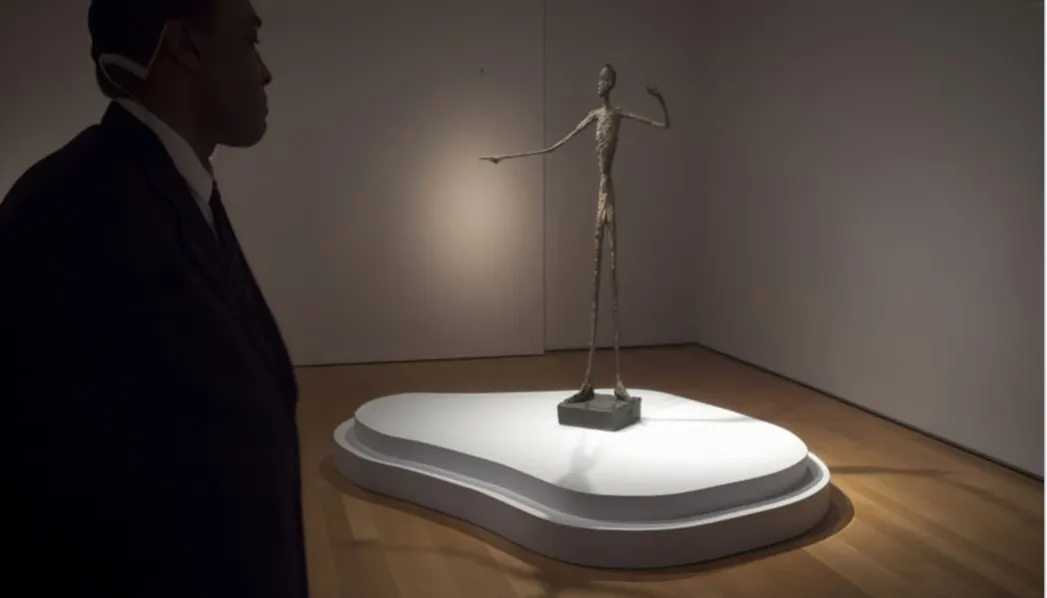
During the 19th and 20th centuries, iconic modernist sculptors—such as Rodin, Picasso, and Brancusi—widely adopted bronze as their primary medium, emphasizing the expression of form, emotion, and social commentary.
Contemporary bronze sculpture continues to push boundaries in terms of concept, form, and sustainability, finding widespread application in mixed-media works, interactive environmental installations, and public art projects.
Diversification of Techniques:
Traditional methods—such as lost-wax casting, riveting, forging, and chasing—remain widely practiced; however, a more common approach today involves a hybrid methodology that combines traditional craftsmanship with modern technologies like CNC machining, 3D modeling, and rapid prototyping.
Regarding surface treatment, techniques such as chemical coloring, oxidation, and protective coating are extensively employed to achieve a diverse range of colors and ensure durability.
VI. Key Technical and Practical Considerations in Bronze Sculpture
Primary Techniques:
Casting (particularly lost-wax casting) constitutes the core of bronze sculpture, making it ideal for creating complex forms and large-scale pieces.
Forging, planing, chasing, inlaying, and riveting are utilized to refine intricate details and reinforce structural integrity.
Surface Treatment: Processes such as oxidation, polishing, coloring, and coating are applied to determine the final color, texture, and durability of the artwork.
Materials and Alloys:
Pure copper and copper alloys (such as bronze [Cu-Sn] and brass [Cu-Zn]) each possess distinct advantages regarding strength, wear resistance, corrosion resistance, and coloration; the choice of material depends entirely on the specific requirements of the artwork.
Maintenance and Preservation:
Copper and its alloys are susceptible to oxidation, which results in the formation of a patina. Consequently, regular cleaning, maintenance, and the application of protective coatings (or periodic re-oxidation treatments) are essential to extend the lifespan of the artwork.
Risks and Optimization:
Potential issues—such as casting shrinkage, casting defects, thermal stress from welding, and surface cracking—must be carefully managed and controlled during the mold-making, pouring, pre-treatment, and post-casting heat treatment stages. Environmental and health considerations include concerns regarding the use of harmful heavy metals—such as lead—as well as exposure to welding fumes; consequently, it is essential to utilize compliant materials and work in a well-ventilated environment.
VII. Key Points from a Global Perspective
- Traditional copper sculpture in Asia and the Middle East holds a pivotal position within ceremonial, religious, and imperial governance contexts, exerting an influence that transcends both time and space.
- Since the Renaissance, European copper sculpture has exerted a profound global influence on the arts through its innovations in technique, aesthetics, scale, and the expression of both public and private spaces.
- Modern and contemporary copper sculpture emphasizes conceptualism, cross-media integration, public art, and sustainability, thereby driving the interdisciplinary convergence of materials and technologies.