Jul 10, 2026News & Insights
What Is Bronze Sculpture? History, Process, and Lasting Appeal
What Is Bronze Sculpture? History, Process, and Lasting Appeal For thousands of years, bronze has been the choice material for sculptors seeking to capture everything from the divine to the deeply hu
What Is Bronze Sculpture? History, Process, and Lasting Appeal
For thousands of years, bronze has been the choice material for sculptors seeking to capture everything from the divine to the deeply human. From the monumental statues of ancient Greece to the fluid, emotive forms of Auguste Rodin, bronze sculptures possess a timeless allure that few other mediums can match.
But what exactly makes this alloy so special for three-dimensional art, and why do collectors heavily invest in bronze art sculpture for sale? Let's dive into the history, science, and intricate craft behind this enduring art form.
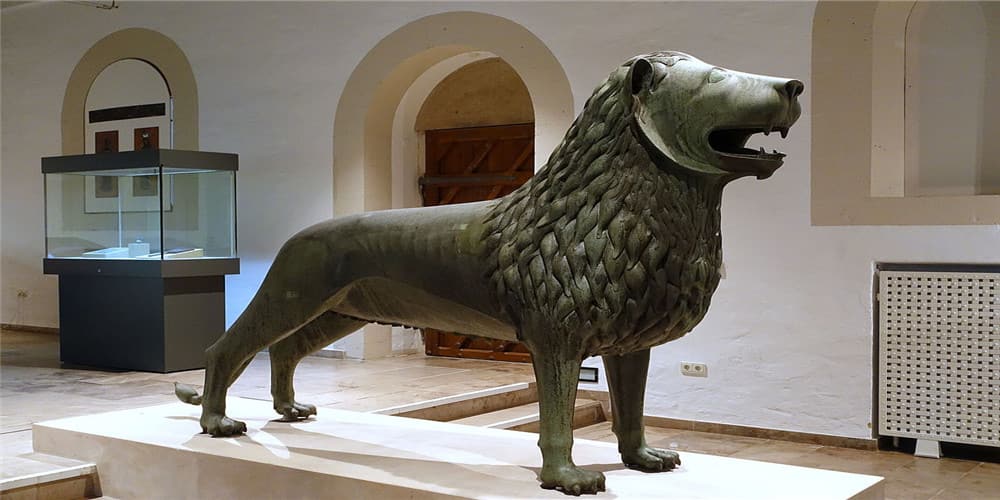
Bronze is not a pure metal; it is an alloy composed primarily of copper, usually combined with tin. Modern foundry mixtures may also include small amounts of other elements like zinc, manganese, or nickel to alter its properties and durability.
What makes bronze uniquely suited for fine art is a fascinating scientific property: it expands slightly just before setting.
When liquid bronze is poured into a mold, this expansion forces the metal into the tiniest crevices of the matrix. As it cools, it contracts slightly, making it easier to remove from the mold. The result is a highly detailed replica of the artist's original model, capable of capturing textures as delicate as fingerprints, skin pores, or fabric weaves.
The relationship between humanity and bronze spans millennia, shaping the course of art history across multiple continents.
The Bronze Age (c. 3000 BCE – 1200 BCE)
As humans mastered metallurgy, they transitioned from carving stone and bone to casting metal. Early bronze works were often utilitarian (weapons and tools), but ritualistic and artistic pieces quickly followed. Intricate ritual vessels from the Shang Dynasty in China and early figurines in the Aegean are prime examples of early mastery.
Classical Antiquity and Realism
The ancient Greeks elevated bronze sculpture to a pinnacle of realism and athleticism. Because bronze has a high tensile strength—unlike marble—it allowed sculptors to create dynamic, free-standing poses with extended limbs without the need for ugly external support pillars.
Did you know? Many famous "Greek" marble statues seen in museums today are actually Roman copies of lost Greek bronze originals. The originals were frequently melted down for weapons during wartime.
The Renaissance to Modernity
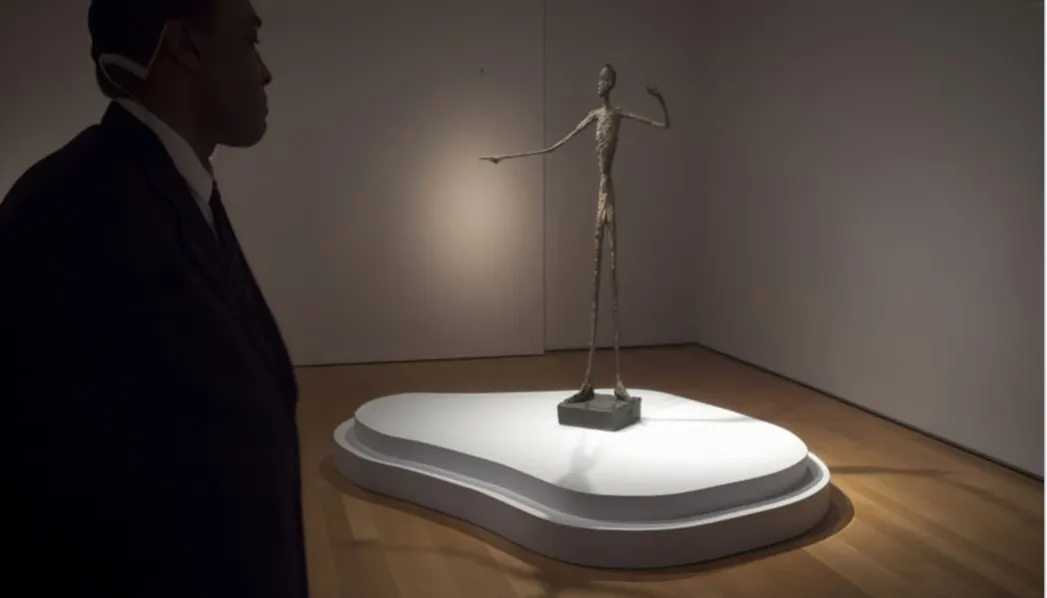
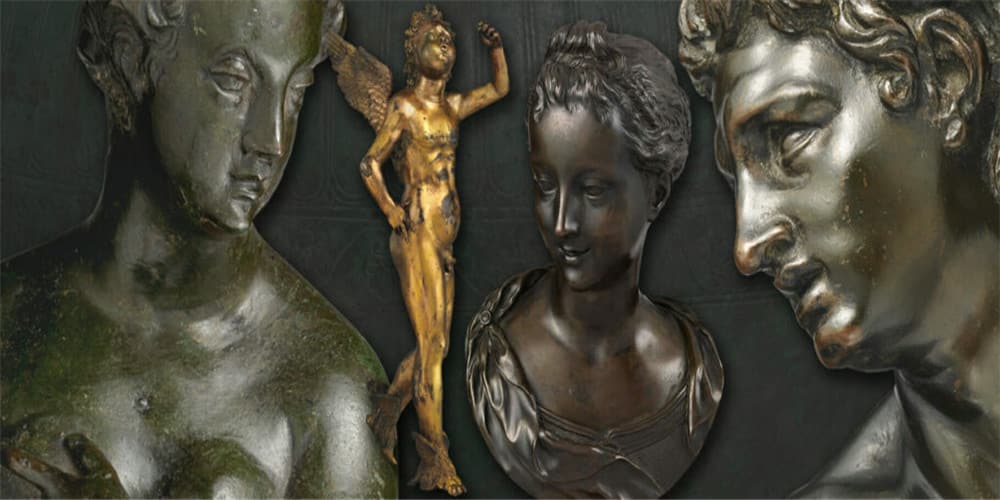
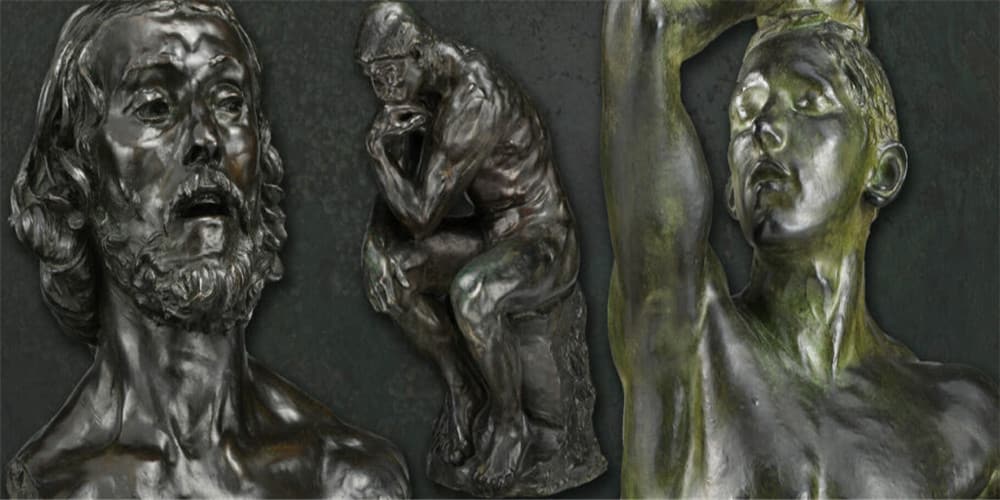
The Renaissance saw a massive revival of the medium, spearheaded by masters like Donatello and Lorenzo Ghiberti. By the 19th and 20th centuries, artists like Auguste Rodin and Alberto Giacometti used the raw texture of bronze to express internal psychological states, moving away from classical perfection toward raw modern emotion.
The most common and revered method for creating high-quality art is the lost-wax bronze casting process (cire perdue). While modern technology has refined the chemical compounds, the core steps have remained virtually unchanged for over 5,000 years.
- The Original Model: The sculptor creates the initial design out of a pliable medium, usually clay, wax, or oil-based plastiline.
- Making the Mold: A rigid outer mold (often silicone backed by plaster) is built around the original model to capture its exact shape.
- The Wax Core: The original model is removed, and molten wax is poured into the hollow mold to create a hollow wax replica of the sculpture.
- Chasing and Spruing: The wax replica is cleaned up ("chased") by the artist to remove imperfections. Wax tubes (sprues) are attached to create channels for the molten bronze to flow in and air to escape.
- The Investment Mold: The wax structure is dipped repeatedly in a ceramic slurry, coating it inside and out. This creates a hard, fireproof "investment" shell.
- The Burnout (Lost Wax): The ceramic shell is baked in a high-temperature kiln. The wax melts and drains away completely, leaving a perfectly hollow ceramic cavity—hence the term "lost wax."
- The Pour: Molten bronze, heated to around 1,150℃, is poured into the pre-heated ceramic shell.
- The Reveal and Finishing: Once cooled, the ceramic shell is hammered away, revealing the rough bronze sculpture inside. The sprues are cut off, welds are smoothed, and the metal surface is meticulously polished.
The Magic of Patination
A brand-new cast bronze sculpture gleams like a freshly minted penny. The rich browns, deep greens, and dramatic blacks we typically associate with gallery pieces are the result of patination.
Natural Patina: When exposed to oxygen, moisture, and sulfur compounds in the air, bronze naturally oxidizes over decades. Think of the iconic green hue of the Statue of Liberty.
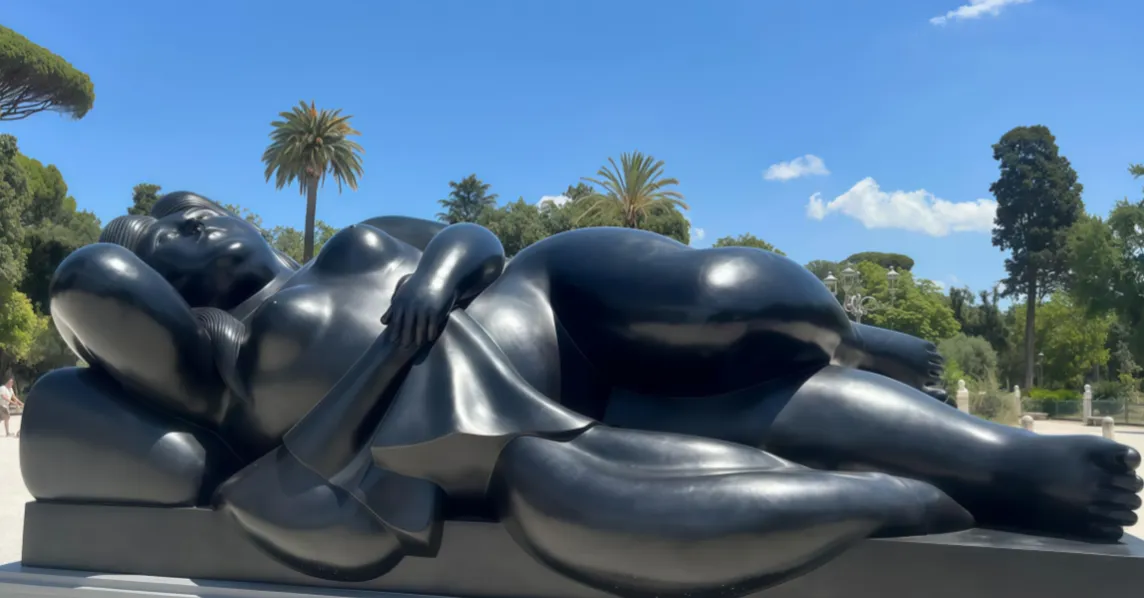
Chemical Patina: Most modern foundries do not wait for nature. Artists apply acids, metal salts, and intense heat to the finished bronze to chemically alter the surface color. This allows them to achieve deep blues, rich browns, or stark blacks that enhance the sculpture's form, depth, and shadows.
Why Artists and Collectors Choose Bronze
If you look into the market for collectible fine art bronze statues, you will find that bronze holds a premium status over plastics, resins, or even stone. Here is why:
- Unmatched Durability Bronze is incredibly resilient against the elements. It does not crack like marble in freezing temperatures, nor does it decay like wood or rust away like iron. Properly cared for, antique bronze sculptures identification marks can remain perfectly legible on pieces that have endured outdoors for thousands of years.
- Lifelike Textures and Details Because of the liquid flow during the casting process, bronze captures the absolute truth of the artist's hand. Every thumbprint left in the original clay model is preserved permanently in metal, giving the final piece an intimate, living quality.
- Investment Value and Limited Editions Because the casting process is labor-intensive, hazardous, and expensive, bronze decorative statue are rarely mass-produced. They are typically released in strict, limited editions (e.g., an edition of 9 or 12 casts plus a few artist proofs). This scarcity, combined with the material cost, ensures that high-quality bronze art remains a strong store of value for collectors.
How to Care for Bronze Sculptures
While bronze is highly durable, preserving its finish requires minimal but consistent care, especially for outdoor bronze monuments maintenance.
Dust Regularly: Use a soft, dry cotton cloth or a clean toothbrush to remove dust from tight crevices. Avoid using household chemical cleaners, which can strip away the delicate chemical patina.
Apply Paste Wax: To protect outdoor or indoor bronzes from humidity and fingerprints, apply a thin coat of high-quality, clear paste wax (such as Renaissance Wax) once or twice a year. Buff gently with a microfiber cloth once dry to create a protective, water-resistant barrier.
Summary
Bronze sculpture represents the ultimate intersection of rigorous engineering, ancient chemistry, and pure artistic expression. Whether sitting in a sleek contemporary museum gallery or enduring the weather in a public park, a bronze statue is built to carry an artist's vision safely across centuries.