Jul 10, 2026News & Insights
Why Bronze Sculptures Are Expensive?
Why Bronze Sculptures Are Expensive? When browsing fine art galleries, estate auctions, or high-end home decor stores, one question frequently arises among collectors and enthusiasts alike: Why are b
Why Bronze Sculptures Are Expensive?
When browsing fine art galleries, estate auctions, or high-end home decor stores, one question frequently arises among collectors and enthusiasts alike: Why are bronze sculptures so expensive?
While a delicate antique bronze figurine or a massive outdoor monument can command thousands—or even millions—of dollars, their price tag is not arbitrary. Unlike modern resin castings or mass-produced synthetic decor, the cost of a authentic bronze statue is rooted in premium raw materials, ancient artisan techniques, extreme labor intensity, and undeniable investment value.
If you are considering investing in a stunning collectible bronze small figurine or a large-scale statement piece, understanding what drives the market value of these objects can help you make an informed decision.
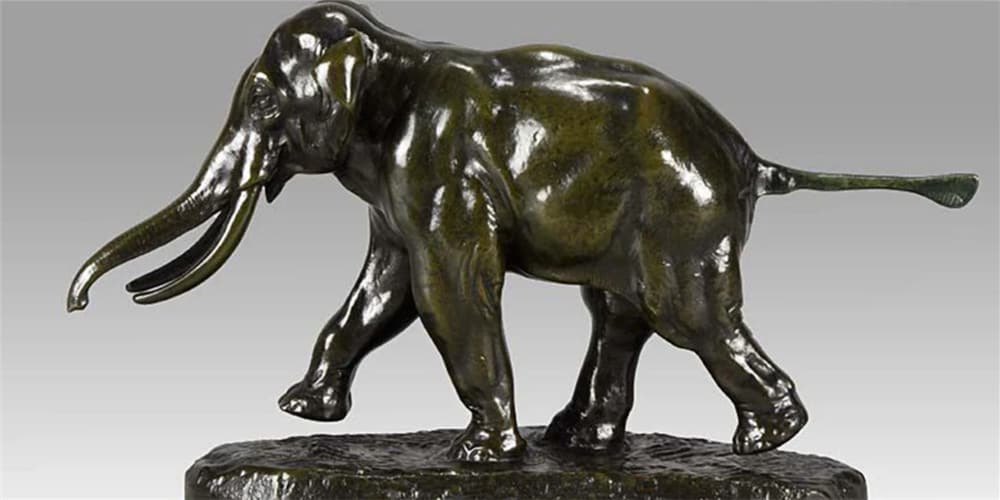
At its core, bronze is not a single element but a premium metal alloy composed primarily of copper (usually around 88%) and tin, sometimes supplemented with silicon, manganese, or aluminum.
- Global Commodity Pricing: Copper is a heavily traded global commodity with massive industrial demand in electronics, green energy, and construction. As global copper and tin prices rise, the baseline cost to produce bronze spikes.
- Intrinsic Metal Weight: Unlike hollow fiberglass or featherlight resin alternatives, bronze is incredibly dense and heavy. Even a relatively small bronze female figurine can weigh several kilograms, meaning a substantial portion of its retail price is backed by the literal weight of the semi-precious metal itself.
The Labor-Intensive "Lost-Wax" Casting Process
You cannot simply carve bronze or pour it into a quick plastic mold. The vast majority of high-quality bronze art is created using the Lost-Wax Casting Method (cire perdue), a highly technical, multi-stage process that has remained largely unchanged for thousands of years.
The journey from a concept to a finished vintage bronze animal figurine involves an incredible amount of hands-on labor. Unlike mass-produced decorative items, handmade bronze sculptures require many hours or even months of labor. Skilled sculptors, mold technicians, welders, and patina artists all contribute to the final artwork.
This is especially true for:
Handmade bronze figurines
Custom bronze small sculptures
Bronze animal statues
Limited edition bronze sculptures
The labor cost behind artistic bronze casting is one of the core reasons for its premium pricing.
The Lost-Wax Casting Process Is Complex
Most high-quality bronze sculptures are made using the ancient lost-wax casting technique, also known as cire perdue.
This process dates back thousands of years and is still widely used because it captures incredible detail and texture. However, it is both time-consuming and technically demanding.
Advantages of lost-wax bronze casting include:
Exceptional detail reproduction
Strong structural integrity
Long-lasting durability
Unique artistic texture
High-end appearance
The downside is that mistakes during casting can ruin the entire sculpture, causing significant material and labor losses.
Because of this complexity, professional bronze foundries invest heavily in equipment, skilled technicians, and quality control systems.
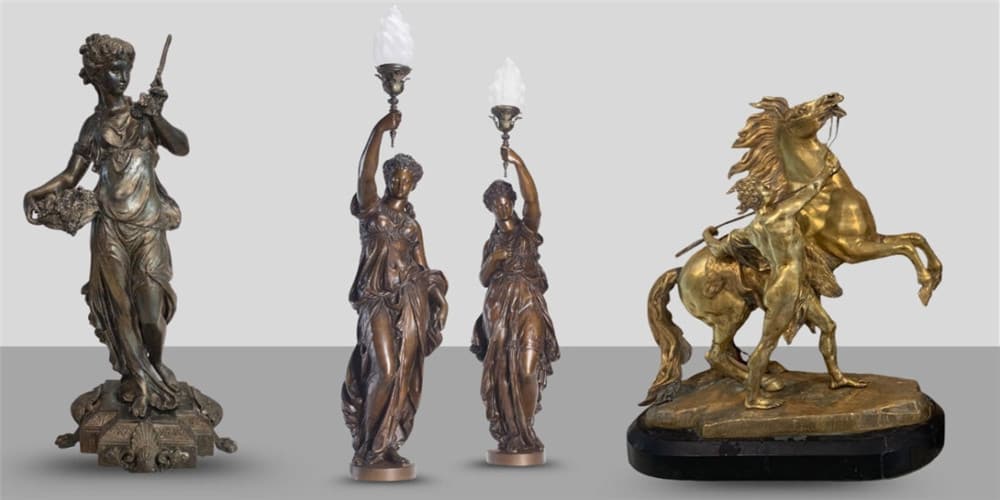
Post-Casting Craftsmanship: Chasing, Welding, and Patination
Once the bronze cools and is freed from its ceramic shell, it looks rough, discolored, and is often in multiple pieces. Transforming this raw casting into a museum-worthy art piece requires elite metalworking skills.
Chasing and Assembling
Larger sculptures, or highly complex miniature bronze statues, are often cast in separate sections to prevent air bubbles and warping. Master welders must seamlessly fuse these heavy metal pieces together. Following this, artisans use pneumatic chisels, grinders, and files to "chase" the metal—blending the weld lines perfectly and restoring the textures from the artist's original design.
The Art of Patination
Naturally, raw bronze looks like a shiny, bright penny. The rich chocolate browns, deep greens, striking blacks, or vivid blues seen on fine art bronzes are the result of patination.
This is a highly specialized chemical process where an artisan uses a blowtorch to heat the metal surface while applying specific acid solutions (such as sulfurated potash or ferric nitrate). Achieving a uniform, artistic patina takes years of chemical expertise and represents a significant portion of production costs.
Limited Editions, Exclusivity, and Artist Reputation
In the fine art market, scarcity drives value. Most professional sculptors limit the production of their designs.
When you buy a signed limited edition bronze figurine, you are paying for its rarity. Once the designated edition run is complete, the molds are intentionally destroyed, guaranteeing that no more copies can ever be made. Furthermore, if the sculpture is crafted by a well-known, highly collected artist, the "sculptor fee" and brand prestige significantly elevate the price.
Unrivaled Durability and Investment Value
Unlike canvas paintings that can fade, or resin statues that degrade and crack over time, bronze is virtually indestructible. It is highly resistant to weather, corrosion, and physical impact.
An Generational Legacy: A bronze sculpture can sit in an outdoor garden for centuries, gracefully developing a natural, deeper oxidation layers (called a natural patina) that actually enhances its value over time.
Because of this extreme longevity, a high-quality collectible bronze small sculpture holds its structural integrity and market demand, frequently acting as a wealth-preserving asset that can be passed down as a family heirloom or resold at art auctions.
Summary:
Is a Bronze Sculpture Worth the Money?
When you buy a bronze artwork, you are not just purchasing a piece of home decor; you are buying a piece of history, an alloy of precious metals, and hundreds of hours of elite human craftsmanship. From the initial clay sketch to the intense heat of the foundry and the final stroke of the patineur's torch, the journey of bronze justifies every dollar of its premium price.
Whether you are hunting for a rare antique bronze figurine at an estate sale or commissioning a modern custom statue, investing in bronze is a timeless choice that will retain both its beauty and its value for generations to come.