Jul 21, 2026News & Insights
Bronze vs Brass: What's the Difference?
Compare bronze vs brass in composition, appearance, strength, corrosion resistance, cost, and applications. Learn which alloy is best for sculptures and architecture.

While bronze alloy and brass alloy look similar at a quick glance and are both cupric alloys (meaning they are primarily made of copper), they are fundamentally different materials. The distinction comes down to what that copper is mixed with—a difference that completely changes how they look, behave, and where they are used.
Composition and Appearance:
The fundamental difference lies in their secondary elements.
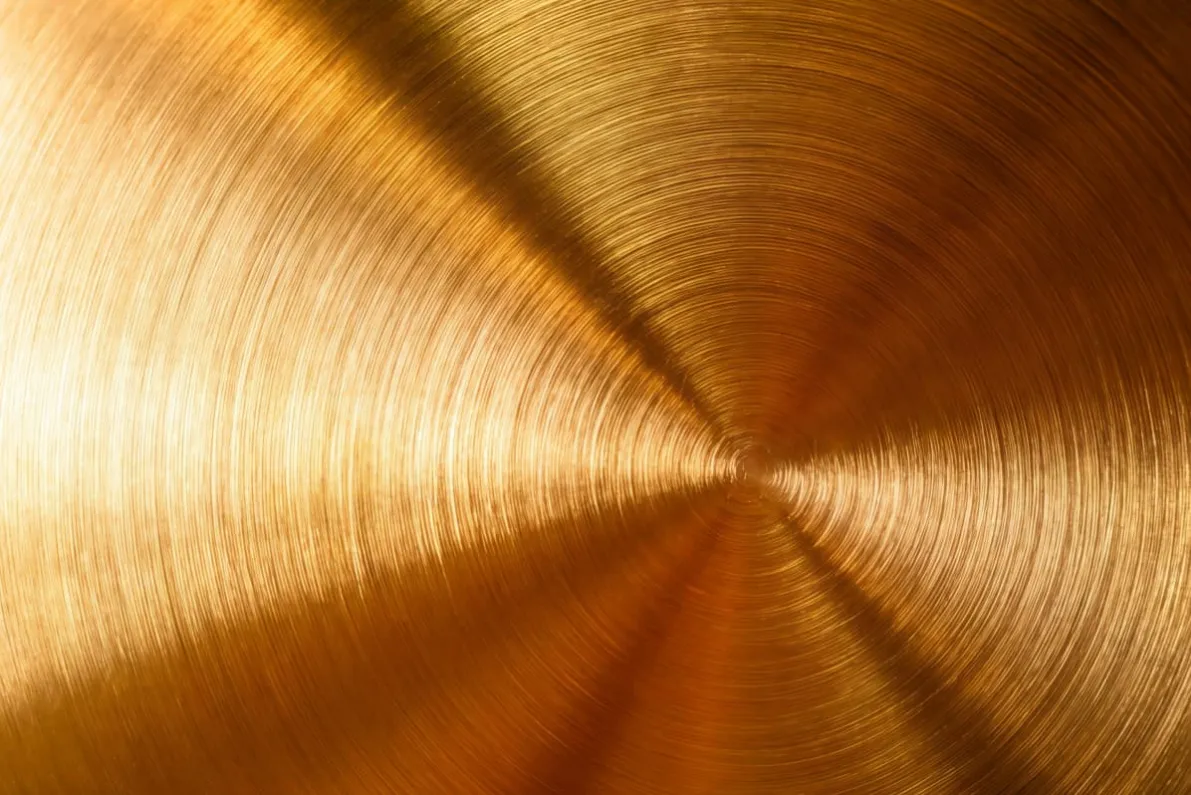
Bronze is an alloy of copper and tin. It has a darker, reddish-brown color with a duller finish. Over time, when exposed to the elements, it develops a characteristic patina (often green or dark brown) that actually protects the metal underneath.
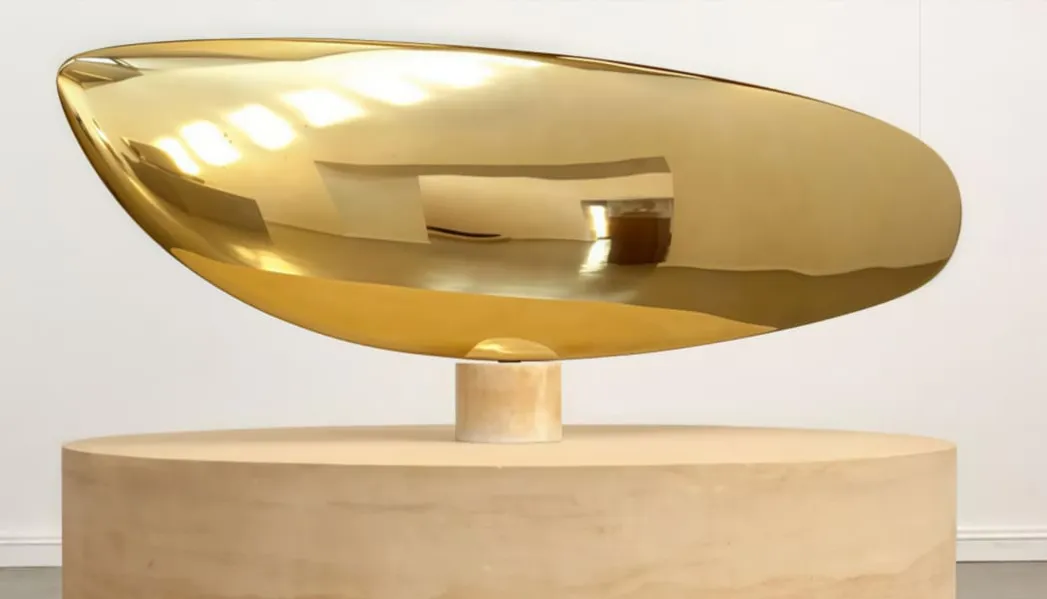
Brass is an alloy of copper and zinc. It is much brighter, with a yellowish-gold appearance that makes it popular for decorative purposes.
To see the visual difference:
Core Properties Compared:
Because of their chemical differences, bronze and brass behave very differently under stress and environmental exposure.
Feature | Bronze (Copper + Tin) | Brass (Copper + Zinc) |
Color | Reddish-brown, duller finish | Bright, yellowish-gold |
Hardness & Strength | Hard and somewhat brittle | Softer, highly malleable |
Corrosion Resistance | Excellent (especially in saltwater) | Good, but susceptible to "dezincification" |
Machinability | Harder to cut, bend, and machine | Extremely easy to machine and form |
Friction | Low metal-on-metal friction | Low friction |
Melting Point | Higher (~950°C) | Lower (~900°C) |
Real-World Applications:
Because of their specific strengths, manufacturers use them in completely distinct industries today.
Where Bronze Wins:
Because it is hard, resists friction, and is practically immune to saltwater corrosion, bronze is heavily used in industrial and marine environments.
Marine Hardware: Ship propellers, submerged bearings, and boat fittings.
Art and Sculpture: Cast statues (because it expands slightly right before setting, filling mold details perfectly).
Percussion Instruments: Cymbals and bells (bronze has a highly resonant, sustained ring).
Industrial Bearings: Components that experience heavy wear and friction.
Where Brass Wins:
Brass is valued for its workability, aesthetic appeal, and acoustic properties. It can be easily rolled, stamped, and drawn into complex shapes without breaking.
Plumbing and Hardware: Faucets, pipe fittings, doorknobs, and locks.
Wind Instruments: Trumpets, trombones, and saxophones (brass is highly workable and produces brilliant acoustic tones).
Ammunition: Firearm cartridge casings (it expands to seal the chamber when fired, then shrinks slightly for easy extraction).
Fasteners: Zippers, gears, and decorative trims.
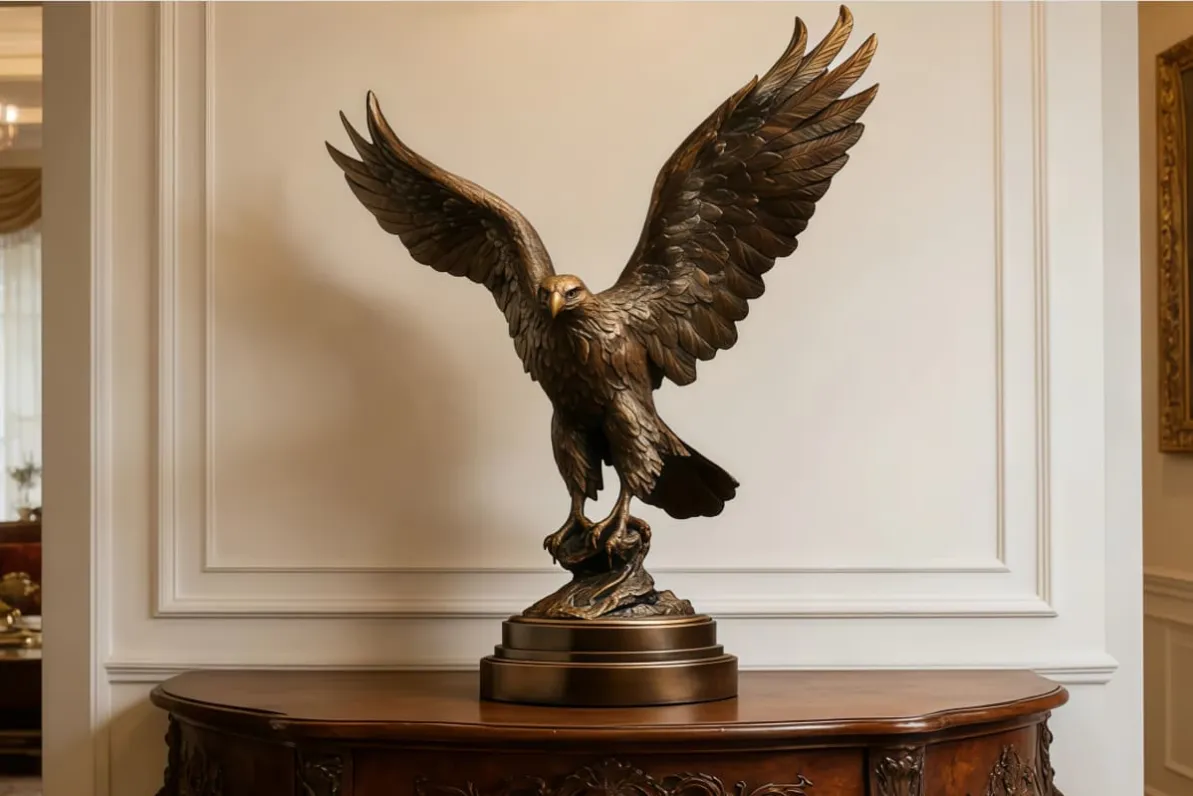
Bronze is the industry standard for fine art sculptures.
Reasons include:
Superior durability
Rich artistic texture
Beautiful aging process
High casting quality
Excellent detail retention
Famous bronze sculptures around the world have survived for centuries.
Brass sculptures are often used for:
Indoor decoration
Small ornaments
Budget-friendly projects
For outdoor environments:
Bronze is clearly the better choice because it:
Resists corrosion
Handles moisture
Develops protective oxidation
Maintains structural integrity
Brass requires more frequent maintenance outdoors.
Bronze vs Brass for Architectural Decoration:
Bronze
Ideal for:
Public monuments
Building sculptures
Luxury entrance statues
Memorials
Historical restoration
Brass
Ideal for:
Door handles
Railings
Nameplates
Decorative trim
Lighting fixtures

Maintenance Requirements:
Bronze
Maintenance is relatively simple:
Occasional cleaning
Wax protection (optional)
Preserve natural patina if desired
Brass
Requires:
Frequent polishing
Anti-tarnish coatings
Regular cleaning
To maintain its bright golden appearance.
Environmental Impact:
100% recyclable
Sustainable materials
Frequently manufactured from recycled copper
This makes both alloys environmentally friendly choices.
Advantages of Bronze:
Exceptional durability
Excellent corrosion resistance
Long service life
High artistic value
Superior outdoor performance
Outstanding wear resistance
Beautiful natural patina
Advantages of Brass:
Attractive golden appearance
Easy to machine
Lower manufacturing cost
Excellent polishability
Good electrical conductivity
Widely available
Disadvantages of Bronze:
Higher price
More difficult machining
Greater casting cost
Disadvantages of Brass:
Softer material
Less wear resistant
More susceptible to tarnishing
Lower marine durability

Which One Should You Choose?
Choose Bronze if you need:
Outdoor sculptures
Garden statues
Public art
Marine equipment
Long-term durability
Premium craftsmanship
Choose Brass if you need:
Decorative hardware
Indoor ornaments
Musical instruments
Architectural accessories
Cost-effective manufacturing
Easy machining
Conclusion:
Both bronze and brass are versatile copper alloys with unique strengths. Bronze stands out for its durability, corrosion resistance, wear performance, and timeless appearance, making it the preferred material for sculptures, monuments, marine components, and high-end architectural projects. Brass, on the other hand, offers excellent machinability, an attractive golden finish, and lower production costs, making it ideal for decorative hardware, musical instruments, lighting fixtures, and precision-machined parts.
When selecting between bronze and brass material, consider your project's environment, budget, maintenance requirements, and desired appearance. For long-lasting outdoor art and premium custom sculptures, bronze remains the benchmark material, while brass is an excellent choice for elegant indoor applications and cost-effective manufacturing.