Aug 1, 2026News & Insights
Gian Lorenzo Bernini: Life, Major Works, and Legacy of the Baroque Master
Explore the life, famous masterpieces, and architectural legacy of Gian Lorenzo Bernini, the master sculptor who defined the Italian Baroque era.
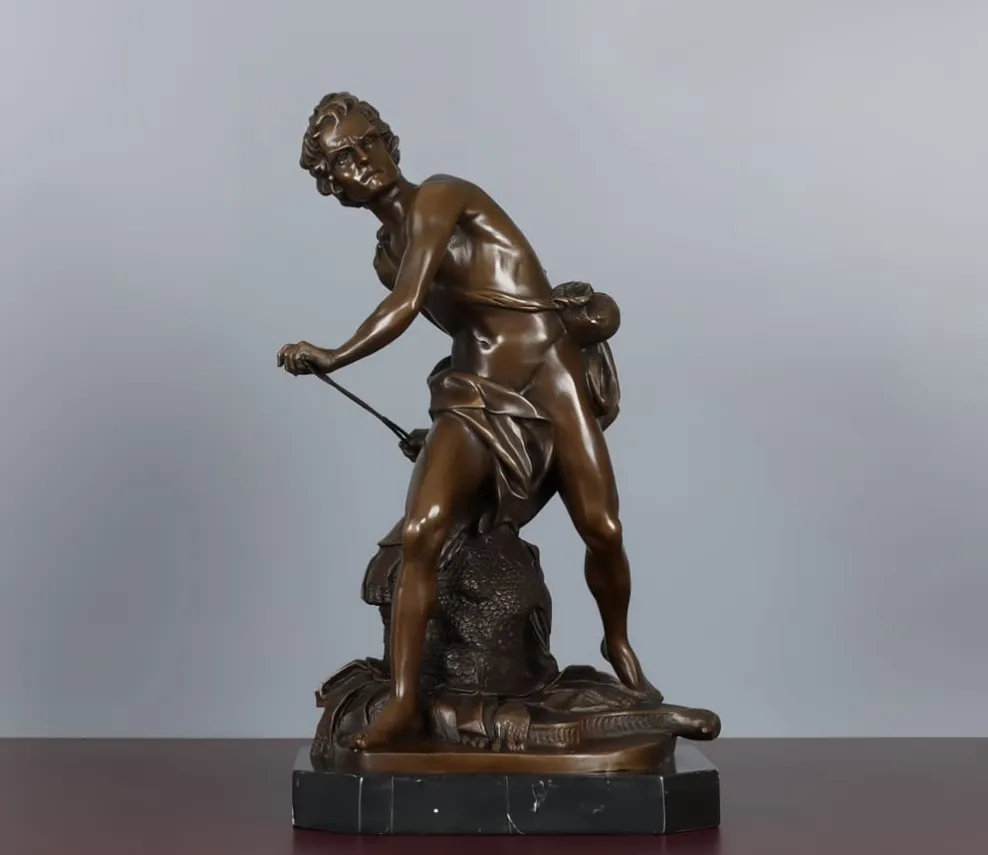
Gian Lorenzo Bernini (1598–1680) was one of the greatest sculptors, architects, and artists in European history. As the leading figure of the Italian Baroque movement, Bernini transformed sculpture from a static representation into a dramatic expression of movement, emotion, and human passion.
Often regarded as the successor to masters such as Michelangelo, Bernini created sculptures that captured intense psychological moments and extraordinary realism. His works demonstrated a revolutionary understanding of marble, turning cold stone into living flesh, flowing fabric, and dynamic movement.
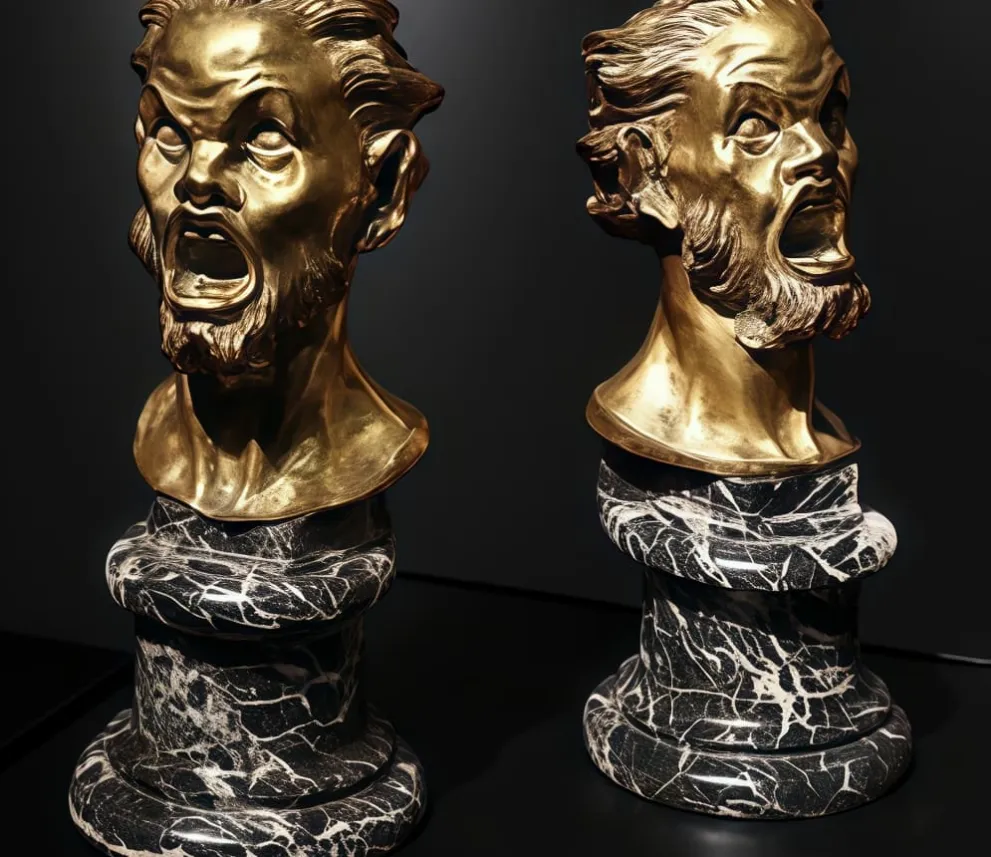
During his long career in Rome, Bernini became the favorite artist of several popes and played a central role in shaping the artistic identity of the Baroque period. His sculptures remain among the most admired masterpieces in the world and continue to inspire modern bronze sculpture artists, collectors, and designers.
Early Life and Artistic Development:
Born in Naples to Pietro Bernini, a Mannerist sculptor, Gian Lorenzo showed precocious talent from an early age. Moving to Rome in 1606, he gained access to ancient Roman sculptures in the Vatican collections, which deeply influenced his technique.
Under the patronage of Cardinal Scipione Borghese, young Bernini produced a series of life-sized marble sculptures that broke away from Renaissance restraint. By his early twenties, he was already celebrated as the leading artist in Rome.
Key Characteristics of Bernini's Sculptural Style:
Bernini revolutionized European sculpture by replacing static poses with dramatic narratives.
Dynamic Motion (In Medias Res): Unlike Renaissance figures depicted in calm anticipation (such as Michelangelo's David), Bernini captured figures in mid-action—the precise moment of maximum tension or transformation.
Psychological Realism: Faces convey raw human emotion, ranging from intense exertion and anguish to divine ecstasy.
Tactile Materiality: He coaxed marble into mimicking the soft texture of human skin, flowing drapery, braided hair, and coarse tree bark.
Theatrical Integration: Bernini merged sculpture, architecture, and lighting into unified visual experiences, treating viewers as active participants.
Iconic Sculptural Major Artworks:
Work Title | Execution Dates | Primary Location | Key Technical & Architectural Innovations | Primary Patron |
Aeneas, Anchises, and Ascanius | 1618–1619 | Galleria Borghese, Rome | Early transition from Mannerist stacking to monumental spatial weight. | Cardinal Scipione Borghese |
The Rape of Proserpina | 1621–1622 | Galleria Borghese, Rome | Hyper-realistic stone carving; marble rendered as yielding skin. | Cardinal Scipione Borghese |
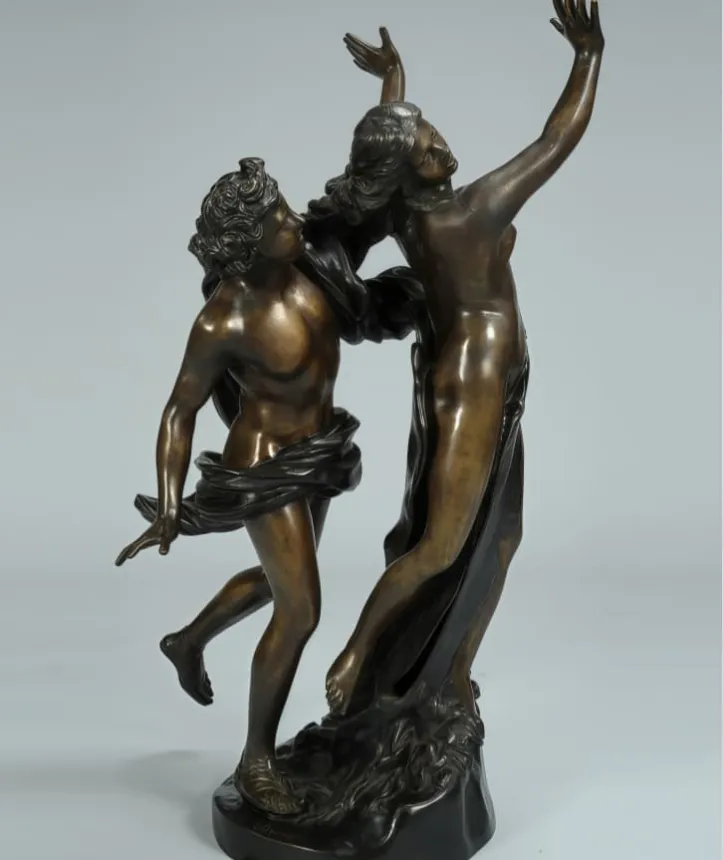
Apollo and Daphne | 1622–1625 | Galleria Borghese, Rome | Depiction of physical metamorphosis in motion; delicate foliage carved in marble. | Cardinal Scipione Borghese |
David | 1623–1624 | Galleria Borghese, Rome | Activation of the spazio composto; physical energy projected into spectator space. | Cardinal Scipione Borghese |
St. Peter's Baldachin | 1624–1634 | St. Peter's Basilica, Vatican | Monumental bronze Solomonic columns bridging sculpture and church architecture. | Pope Urban VIII (Barberini) |
Bust of Costanza Bonarelli | c. 1637 | Museo del Bargello, Florence | Unprecedented informal, intimate portraiture depicting immediate emotion. | Executed for personal possession |
The Ecstasy of Saint Teresa | 1647–1652 | Cornaro Chapel, Rome | Definitive bel composto; concealed light, gilded rays, theatrical box seating. | Cardinal Federico Cornaro |
Fontana dei Quattro Fiumi | 1651 | Piazza Navona, Rome | Naturalistic hollow rock base supporting an obelisk over flowing urban water. | Pope Innocent X (Pamphilj) |
Cathedra Petri | 1657–1666 | St. Peter's Basilica, Vatican | Gilded bronze reliquary floating within a burst of natural light and stucco clouds. | Pope Alexander VII (Chigi) |
The Vision of Constantine | 1670 | Scala Regia, Vatican | Equestrian theatrical staging integrating architectural daylight and windblown drapery. | Papal Commission (Alexander VII) |
Famous Sculptures by Gian Lorenzo Bernini:
- Apollo and Daphne (1622–1625)
One of Bernini's most famous masterpieces, Apollo and Daphne, tells the story from Greek mythology.
The sculpture captures the moment when Daphne transforms into a laurel tree to escape Apollo.
The masterpiece demonstrates Bernini's incredible ability to represent transformation:
Daphne's fingers become branches
Her feet become tree roots
Her body changes into bark
The sculpture represents the boundary between human and nature, movement and stillness.
- David (1623–1624)
Michelangelo's David represents calm confidence before battle.
Bernini's David captures the exact moment of action:
The body twists
Muscles tighten
The face shows determination
The figure interacts with the surrounding space
The viewer feels involved in the dramatic scene.
- The Ecstasy of Saint Teresa (1647–1652)
Located in the Cornaro Chapel in Rome, The Ecstasy of Saint Teresa is considered one of the greatest achievements of Baroque art.
The sculpture depicts Saint Teresa experiencing a spiritual vision.
Bernini combined:
Sculpture
Architecture
Light
Theater
to create a complete emotional experience.
The golden rays behind the sculpture create a heavenly atmosphere, making viewers feel as if they are witnessing a divine moment.
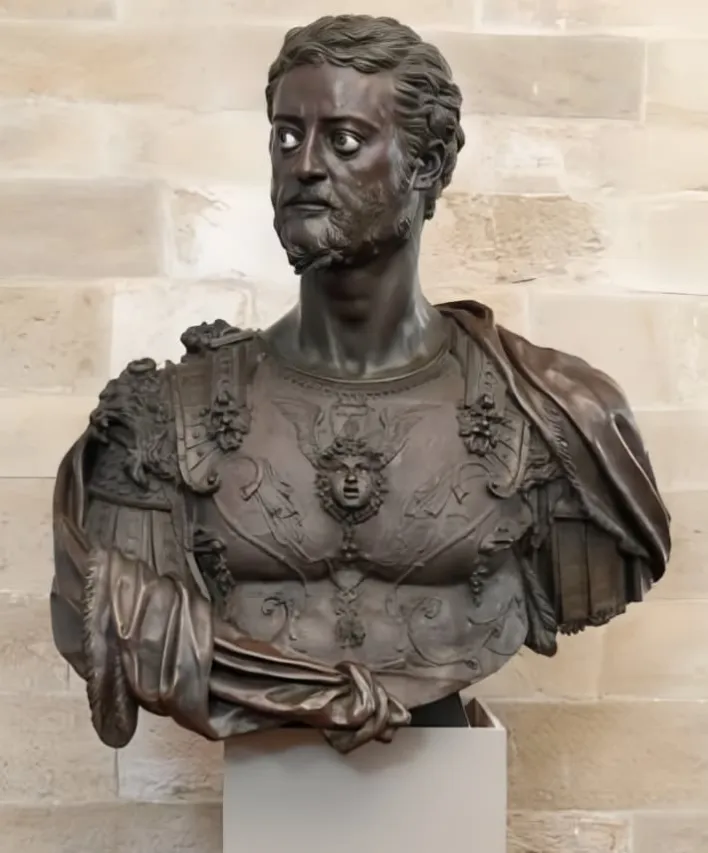
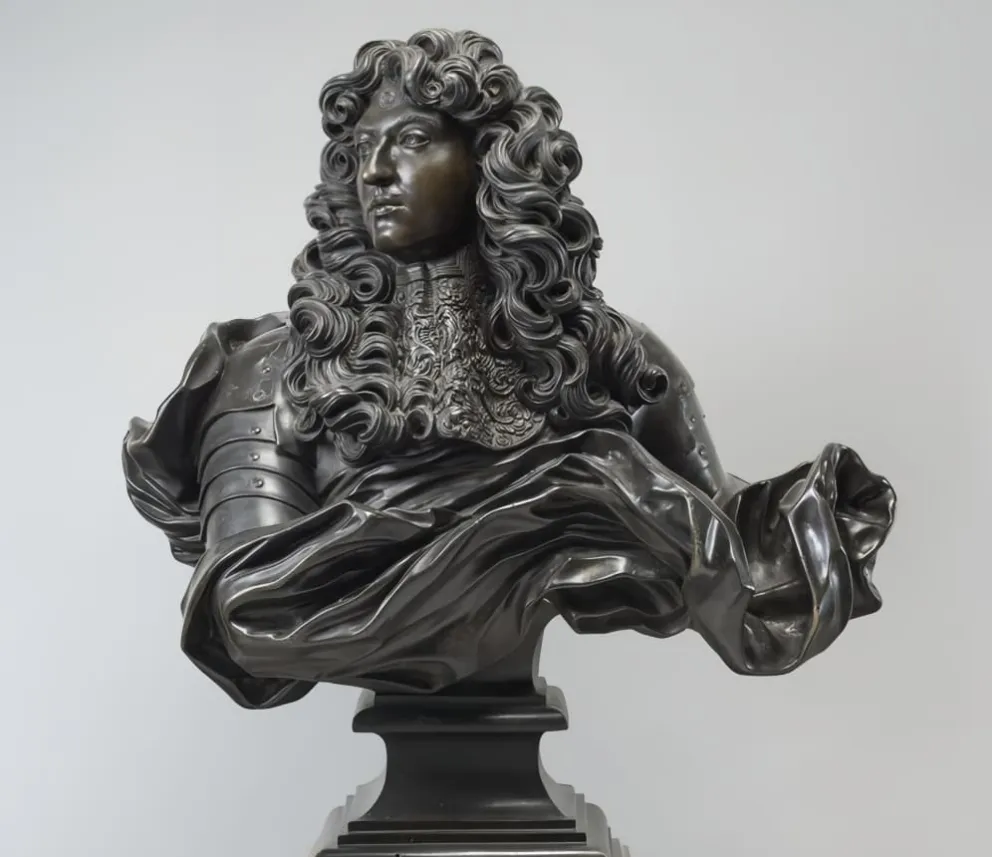
Bernini was also famous for portrait sculpture.
Unlike traditional portraits that presented idealized images, Bernini captured:
Personality
Age
Character
Individual expressions
His portrait busts became important examples of realistic European sculpture.
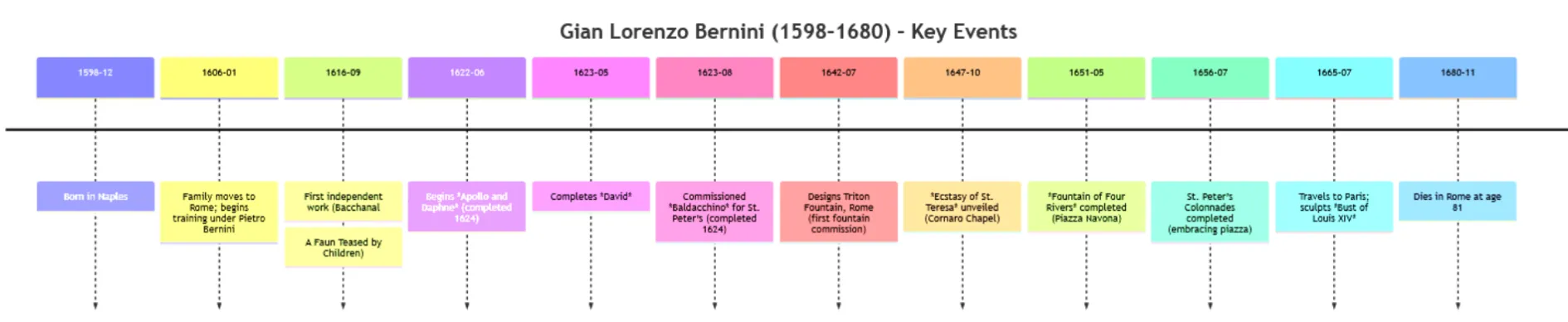
Timeline of Bernini's Life and Works:
Influences and Legacy:
Bernini's art was influenced by predecessors yet revolutionary. He admired Michelangelo's dynamism (adding torsion to the figure) and drew on Roman antiquity (obelisks, classical gods). Yet unlike High Renaissance balance, he pushed for maximal drama. He also learned from Mannerism and late Michelangelo.
In turn, Bernini's impact on art was immense. He became the model for Baroque sculpture: his “spirited naturalism” was taught to generations of sculptors across Europe. His students and workshop members (e.g. Ercole Ferrata, Antonio Raggi, Gian Battista Foggini) spread his style. Even as architectural work, his open colonnades at St. Peter’s became a prototype for Baroque urban space (the idea of embracing arms plaza was emulated in other Catholic cities).
Later periods viewed Bernini variably. Baroque patrons after 1700 often imitated or commissioned in his manner. However, 18th-century Neoclassicists (like Winckelmann) denounced the Baroque's emotional excess, briefly casting Bernini as over-the-top. It was not until the 19th and 20th centuries that scholars (Wittkower, Hibbard, Lavin, among others) fully recognized his genius. Today he is celebrated as the quintessential Baroque genius: “thanks to the support of successive popes, Bernini became the leading sculptor in Rome, and his influence was felt worldwide.”
Critical Reception, Historiography, and Modern Legacy:
Bernini's critical standing has fluctuated across different aesthetic epochs. While celebrated as the supreme artistic master of his age during the XVII century, his reputation experienced a long decline with the rise of Enlightenment rationalism and Neoclassicism.
Neoclassical and Victorian Rejection
During the eighteenth and nineteenth centuries, art theorists condemned the Baroque movement for its emotional intensity, illusionism, and theatricality. Neoclassical critics viewed Bernini's blurring of media boundaries as a corruption of classical purity. Victorian critic John Ruskin rejected Bernini's work, writing that "it is impossible for false taste and base feeling to sink lower". In the early twentieth century, Italian philosopher Benedetto Croce similarly dismissed the movement, stating that "Baroque is the art of bad taste".
Twentieth-Century Scholarly RehabilitationA thorough scholarly reassessment of Bernini began in the mid-twentieth century through the work of art historians such as Rudolf Wittkower, Howard Hibbard, and Irving Lavin. Wittkower re-established Bernini as the foundational architect of High Baroque sculpture, demonstrating his profound impact on European visual culture. Lavin's work redefined the bel composto, illustrating that Bernini's spatial integration was not mere superficial display, but a sophisticated intellectual response to Counter-Reformation theology.
Today, Bernini is recognized as a visionary pioneer of immersive spatial design. His ability to organize multi-sensory environments through architectural framing, dramatic daylighting, and theatrical staging anticipated modern concepts in environmental installation, urban planning, and spatial phenomenology.
Conclusion:
Gian Lorenzo Bernini transformed the trajectory of Western visual culture by expanding the physical and conceptual boundaries of marble, light, and architectural space. Through his mastery of the bel composto, he created integrated artistic environments that converted complex Counter-Reformation doctrine into vivid emotional experiences.
Despite navigating intense professional rivalries, personal scandals, and structural challenges like the St. Peter's bell tower collapse, Bernini's creative legacy permanently remade the urban identity of Rome. His work remains a testament to the synthesis of technical skill, dynamic movement, and spatial illusion, confirming his enduring position as the definitive master of Baroque art and architecture.