Jul 17, 2026News & Insights
Luxury Hotel Sculpture Buying Complete Guide
Whether placed in a grand lobby, elegant garden, luxury suite, or outdoor entrance, bronze sculptures immediately elevate the hotel's image and create unforgettable first impressions.
Hotels today are more than just places to stay—they are destinations that offer memorable experiences. Every detail, from architecture and interior decoration to landscaping and artwork, contributes to creating a unique atmosphere for guests. Among all decorative elements, bronze sculptures have become one of the most popular choices for luxury hotels because they combine timeless beauty, durability, and artistic value.
This comprehensive guide explains everything hotel owners, architects, designers, and purchasing managers need to know about selecting bronze sculptures for hotels.
Bronze sculptures have been admired for thousands of years. Today they continue to symbolize elegance, prestige, and sophistication.
Hotels choose bronze sculptures because they offer numerous advantages:
Create a luxurious atmosphere
Improve brand identity
Enhance guest experience
Increase property value
Become memorable landmarks
Suitable for indoor and outdoor environments
Long-lasting investment
Easy to maintain
Unlike temporary decorations, outdoor bronze sculpture remain beautiful for decades, making them an excellent long-term investment.
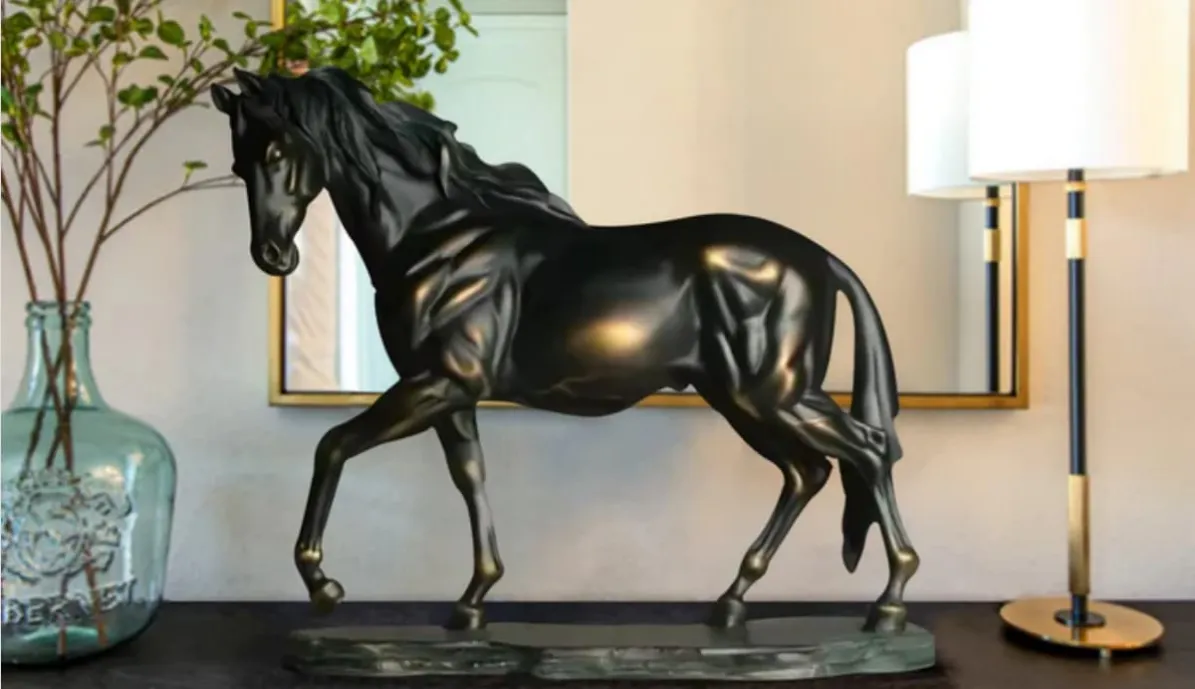
Benefits of Bronze Sculpture in Hotels
- Creates a Strong First Impression
The hotel entrance is the first space guests encounter.
A magnificent bronze sculpture immediately communicates:
Luxury
Professionalism
Artistic taste
Cultural identity
Prestige
Guests often photograph unique modern bronze figurine, increasing the hotel's visibility on social media.
- Strengthens Hotel Branding
Custom bronze sculptures help hotels establish a distinctive identity.
Examples include:
Signature animal sculptures
Cultural heritage sculptures
Abstract modern art
Customized logo sculptures
Historical figures
Local landmarks
Many luxury hotels use artistic bronze decor sculptures as recognizable symbols that guests remember long after their stay.
- Enhances Interior Design
Bronze complements almost every interior style:
Contemporary hotels
Luxury resorts
Boutique hotels
Heritage hotels
Business hotels
Classical European interiors
Modern minimalist spaces
Bronze's warm metallic finish blends beautifully with marble, wood, granite, glass, and natural stone.
- Creates Instagram-Worthy Spaces
Modern travelers enjoy sharing beautiful hotel experiences online.
Take photographs
Share on Instagram
Post on TikTok
Leave positive reviews
Recommend the hotel
This organic exposure provides valuable free marketing.
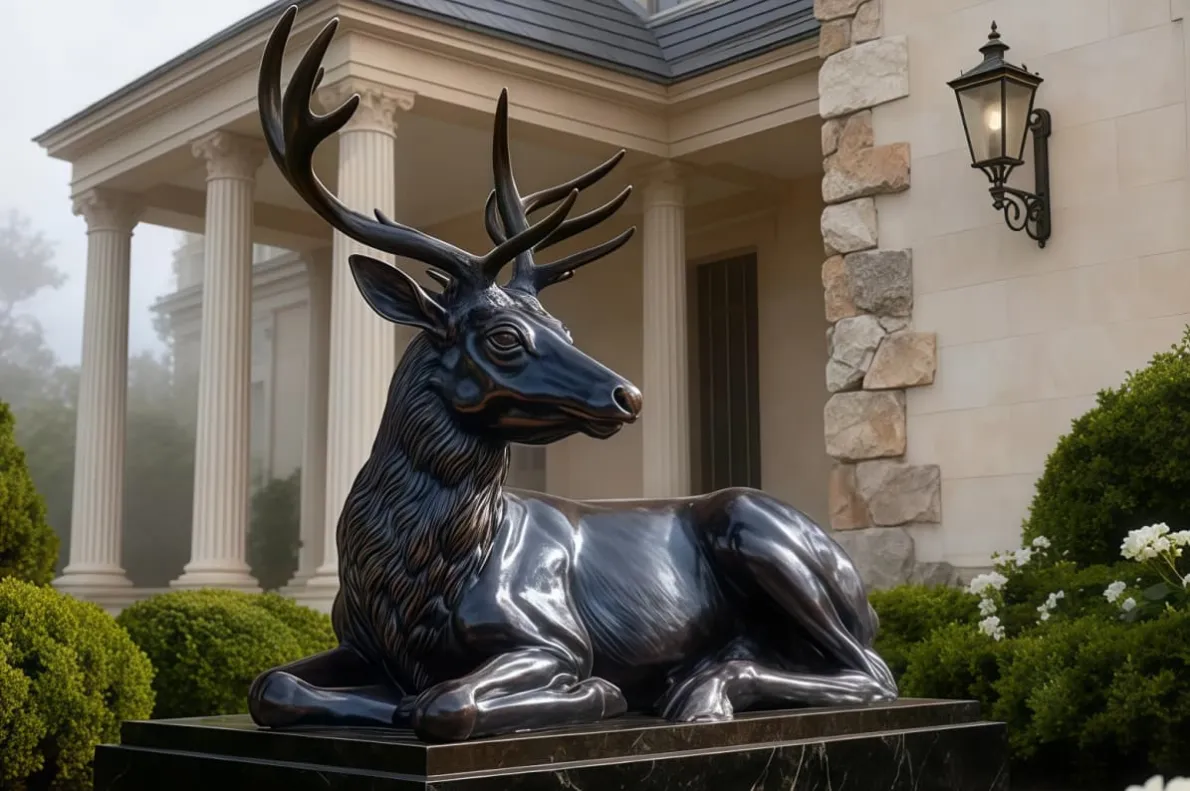
Aesthetic Brilliance and Timelessness
Bronze possesses a distinct visual gravity that few other materials can match. Its natural luster, which can range from polished gold to deep, rich browns and oxidized greens (patina), allows it to complement virtually any interior or exterior design scheme.
Versatility in Style: Bronze can be cast into hyper-realistic classical figures or sleek, avant-garde geometric shapes. This means it can bridge the gap between a historic, heritage-rich property and a modern, minimalist boutique hotel.
The Patina Effect: Unlike synthetic materials that simply degrade, bronze ages gracefully. The oxidation process creates a unique patina over time, giving the sculpture a "living" quality that adds character to the hotel's environment year after year.
Unmatched Durability and Maintenance
Hotels are high-traffic environments, meaning that any artwork displayed in public areas must be able to withstand occasional bumps, touches, and environmental wear.
Material | Durability | Weather Resistance | Maintenance Need |
Bronze | Extremely High | Excellent (develops patina) | Very Low (occasional waxing) |
Marble/Stone | High | Prone to erosion/staining | Moderate (requires sealing) |
Glass/Ceramic | Low (fragile) | N/A (indoor usually) | High (constant cleaning) |
Wood | Moderate | Poor (rot/warping) | High (climate control needed) |
For exterior placements—such as a grand driveway entrance, a courtyard, or a poolside garden—bronze is unparalleled. It easily withstands UV rays, rain, and temperature fluctuations without losing its structural integrity.
Brand Identity and Storytelling
A hotel is not just selling a room; it is selling an experience and a narrative. A bespoke bronze sculpture serves as a powerful branding tool.
Creating a Landmark: A large-scale bronze sculpture at the entrance or in the center of the lobby becomes an iconic meeting point (e.g., "Meet me by the bronze horse"). It becomes synonymous with the hotel's identity, frequently appearing in guests' social media photos.
Reflecting Local Culture: Many hotels commission bronze pieces that tell a local story—be it a historical figure, native wildlife, or a representation of local folklore. This connects the property to its geographical roots, offering guests an authentic sense of place.
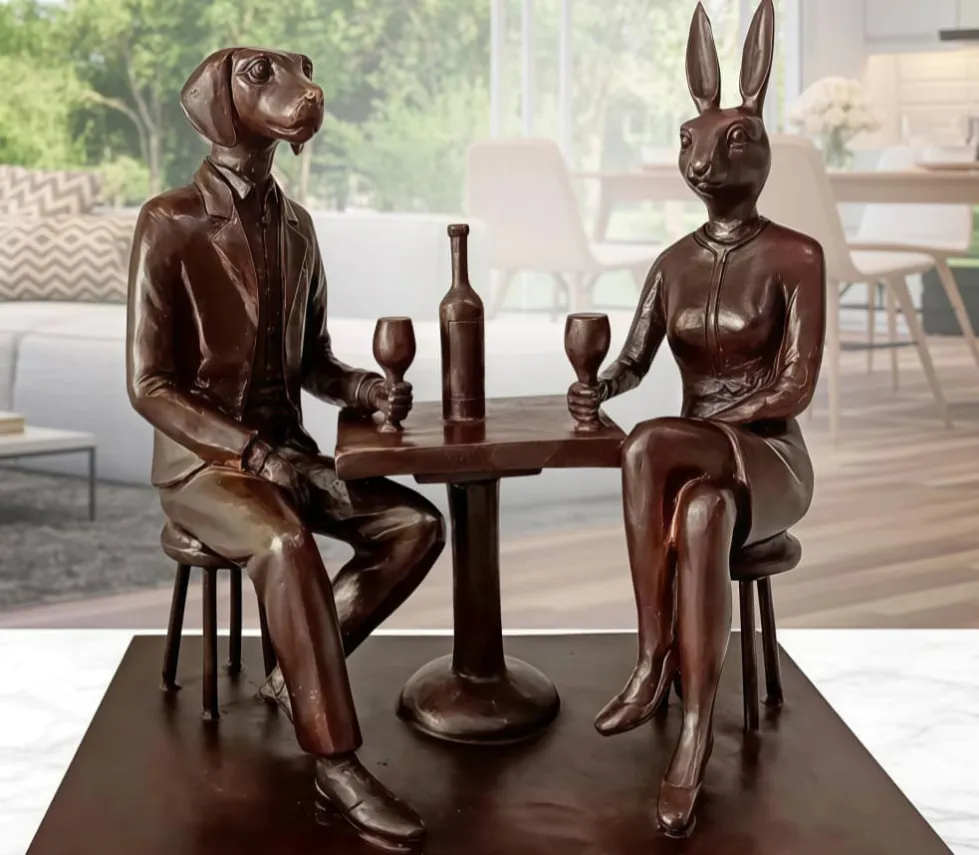
Strategic Placement and Spatial Dynamics
The impact of a bronze sculpture relies heavily on spatial curation. Different areas of a hotel serve different psychological purposes for the guest, and the art should reflect that.
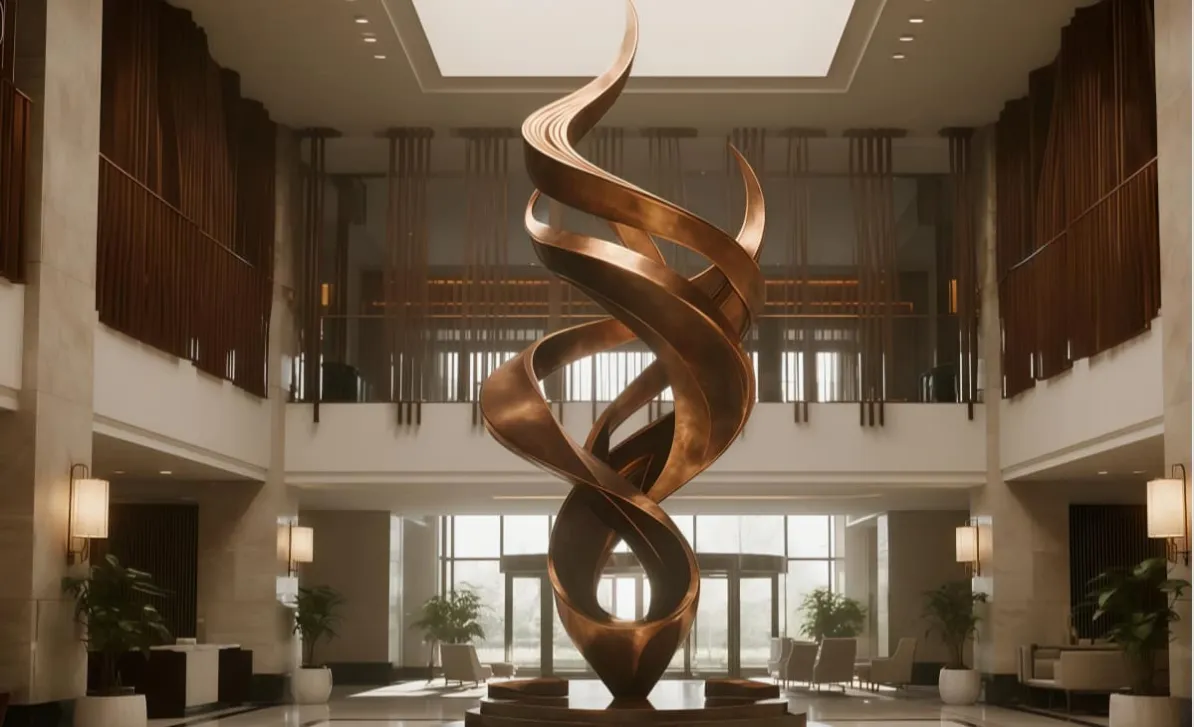
The Lobby (The First Impression): Large, monumental bronze pieces work best here. They draw the eye upward, emphasize architectural volume, and immediately establish the hotel's luxury credentials.
Hallways and Transitions: Smaller, pedestal-mounted abstract bronzes encourage guests to slow down and appreciate the transition between public spaces and their private rooms.
Gardens and Courtyards: Life-size human or animal figures hidden along pathways create moments of discovery and serenity, encouraging guests to linger outdoors.
Investment and Perceived Value
From a financial perspective, investing in bronze art elevates the property's asset profile. Fine art appreciates or holds its value over time. Furthermore, the presence of monumental, high-quality bronze signals to guests that no expense was spared in the hotel's creation. This psychological cue subconsciously justifies premium room rates and enhances the perceived value of the overall stay.